

PRP Treatments
MICRONEEDLING WITH PRP
Microneedling with PRP (Vampire Facial)
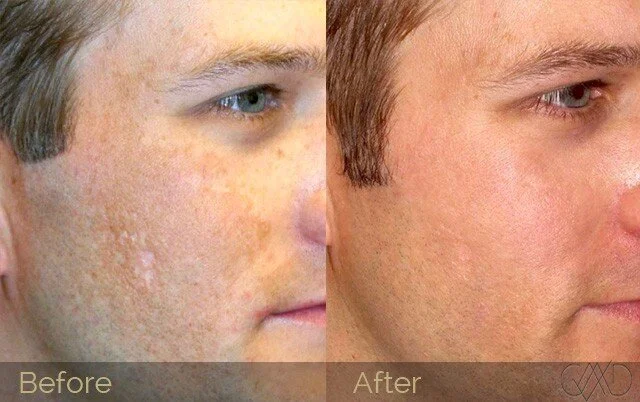
As in any PRP treatment, the patient’s own blood is centrifuged to isolate the plasma and platelets. The plasma is then injected using a DermPen (microneedle) into the areas of the face requiring repair. The plasma stimulates collagen production and healing of the skin. Typically, three PRP face lifting treatments are needed to achieve the desired results. PRP face lifting often requires one maintenance treatment each year to ensure skin keeps its youthful appearance.
FAQ’s
What are the benefits of micro-needling with PRP
When PRP is used with micro-needling, it penetrates your skin through the tiny channels the microneedles create. The PRP supercharges the micro-needling benefits. PRP also addresses under-eye puffiness and dark circles to give you a more youthful, well-rested appearance. Since PRP is derived from your own blood, the side effects are virtually eliminated.
Which areas of the body can be treated with micro-needling and PRP?
Face, Neck, Décolleté, Arms, Hands, Legs, Abdomen and Back.
Who is a good candidate for micro-needling with PRP?
Micro-needling with PRP is a very safe and effective treatment for adults with all skin types who wish to improve their skin quality. The depth of the MicroPen can be adjusted to meet the client’s individual needs and objectives. Due to its low-risk profile, Micro-needling with PRP is a good option for people who are not good candidates for lasers, such as those with darker skin types. MicroPen with PRP is also a very powerful tool for treating scars on the face and body.
How is the micro-needling with the PRP procedure performed?
First, we can/will apply a topical numbing gel to the treatment area for optimal comfort if you find the treatment is uncomfortable. Then we insert a new sterile cartridge containing 12 microneedles into the MicroPen and select the appropriate depth setting based on your skin’s unique needs.
We apply your prepared PRP solution to the treatment area before and after the micro-needling procedure to ensure that the PRP gets fully absorbed. We can also apply other therapeutic serums to further address your specific skin condition, such as melasma or hyperpigmentation.
What does Micro-Needling feel like?
Since we apply a topical numbing cream prior to the treatment, discomfort is significantly lessened. Micro-needling feels like light sandpaper being moved across the skin. Also, the post-treatment hydrating gel will help with recovery.
What is the downtime after the Micro-Needling with PRP
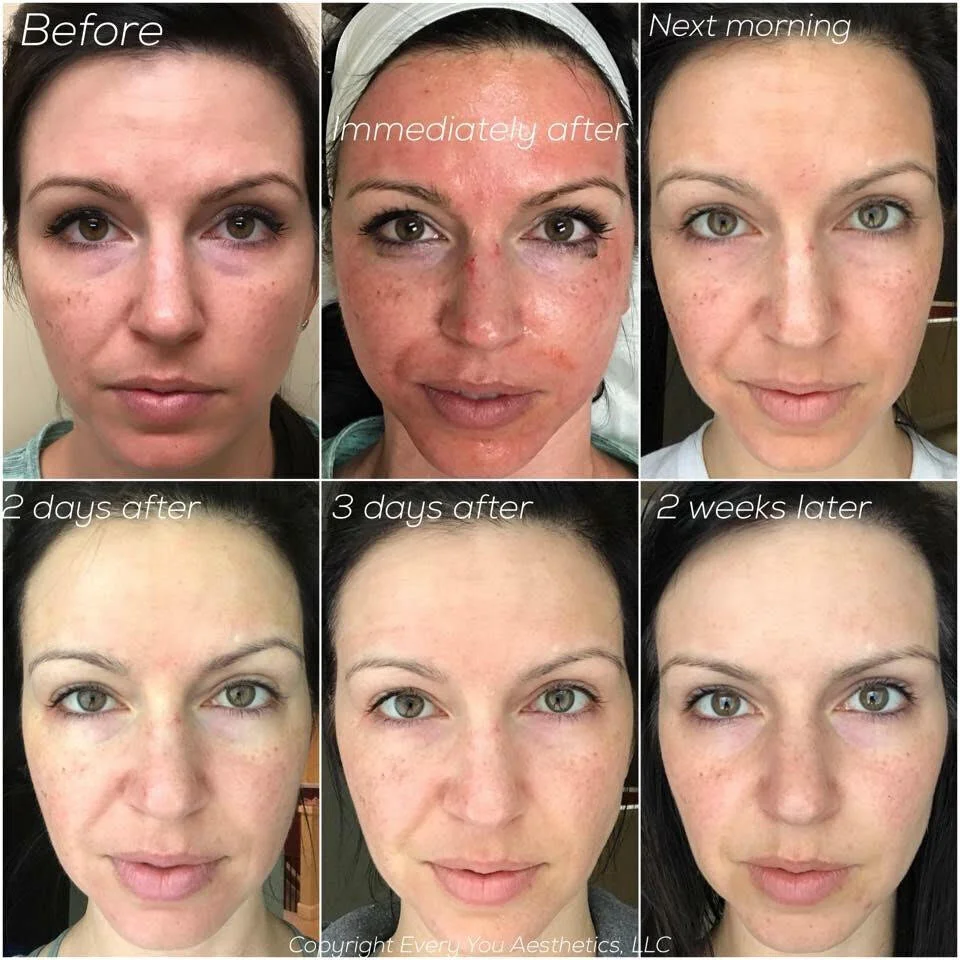
The downtime is minimal with only one to three days of mild redness, depending on the aggressiveness of the treatment. A post-treatment kit will help speed your recovery.
When will I see results after the Micro-Needling with PRP?
You’ll notice an immediate “glow” to your skin and it will continue to improve over the next few weeks. The full results can be seen up to 6 months post-treatment as collagen production continues.
How many treatments are needed with the Micro-Needling with PRP to see optimal results?
We recommend a series of at least three treatments about four to six weeks apart to see the best results. You can then do the treatment about once a year to maintain these results.
What are Some Myths and Facts About PRP Facials?
Myth: PRP facials hurt.
Fact: There’s slight discomfort for a few minutes during and after the procedure, but nothing significant.
Myth: PRP facials are exorbitantly expensive.
Fact: Depending on how many treatments you desire, a single facial is surprisingly affordable. A first treatment can start @ $599.00 ( packages are available )
Myth: PRP facials are a form of surgery.
Fact: They’re not surgery at all. This is one of the key advantages of PRP treatments.
Myth: There is a risk of infection.
Fact: Because the PRP facial uses your own blood plasma and platelets, there’s no risk of getting infected.
Myth: PRP facials offer instant results and are better than face-lift surgery.
Fact: Precisely because the PRP facial is not surgery, it takes a while for results to appear. The big plus, in this case, is that non-surgical procedures cost much less than surgeries, so a PRP facial delivers excellent results without the high cost, or risks, of surgery. For people who have extremely damaged or aged skin, however, a face-lift might be a better option. Our team members will help you decide the optimal approach for your particular situation.
PRP HAIR LOSS TREATMENT
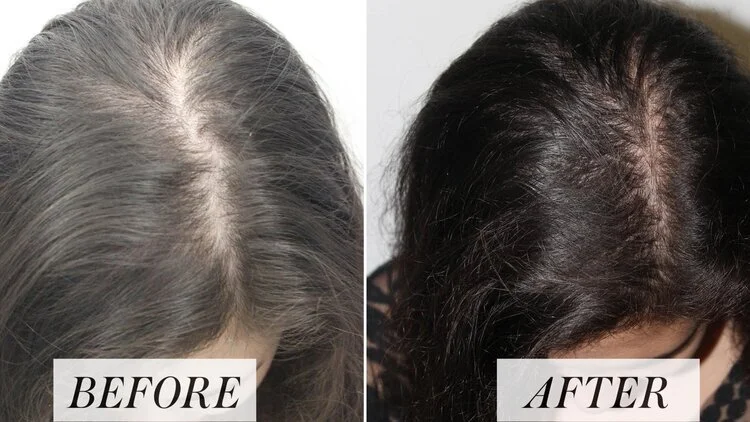
PRP hair loss treatment is used to reverse hair loss and accelerate hair growth. In this process, the patient’s blood is taken, processed, and then injected into the scalp for regrowth and thickness of follicles. Commonly it is used to cure two types of hair problems. First, Androgenic Alopecia (AGA) or male pattern baldness. In which hair follicles shrink and hair start to become thin and then eventually fall. Secondly, Alopecia Areata, which is hair loss, in round patches on the scalp, eyebrows, beard, and other parts of the body where the hair is present.
What is PRP?
PRP hair loss treatment is used to reverse hair loss and accelerate hair growth. In this process, the patient’s blood is taken, processed, and then injected into the scalp for regrowth and thickness of follicles. Commonly it is used to cure two types of hair problems. First, Androgenic Alopecia (AGA) or male pattern baldness. In which hair follicles shrink and hair start to become thin and then eventually fall. Secondly, Alopecia Areata, which is hair loss, in round patches on the scalp, eyebrows, beard, and other parts of the body where the hair is present.
PRP is a three-step therapy:
First step - Blood obtaining:
Blood is drawn from a patient’s body. It can be taken from the arm or elsewhere.Second step - Concentrating:
This obtained blood is placed in a centrifuge. A centrifuge is a machine that spins fast to separate fluids of different densities. In this process blood is separated into three fluids,
Red blood cells, platelets rich plasma, platelets poor plasma. After centrifuging, poor plasma comes up on top, and platelets rich plasma sets in the lower part.Third step - Injecting:
Rich platelets are filled into a syringe with a micro-tip. then these platelets are injected into the affected area of the scalp.
Duration of the process:
The process may take 30 minutes to an hour approximately. The plan may need three to four sessions, one month apart. May require a few maintenance sessions. A person can return to a normal routine after treatment.
How does PRP hair loss treatment work?
When platelets are concentrated and infused in the scalp, they reach out to the hair follicles and help them nourish. It is believed that platelets help to improve blood supply to the follicles and thickens the grafts.
Aftercare :
Hair should not be washed within 48 hours of treatment.
Patient should immediately consult the doctor if any soreness that creates discomfort is noticed.
Coloring or dying should be done after at least one week of PRP.
Supplements, shampoo that is prescribed or recommended by the doctor should be taken or used regularly.
Benefits of the process:
The biggest benefit of PRP hair loss treatment is that it is a safe process. The substance injected into the patient’s body comes from his/her own body that is why the body does not reject it and the risk of any allergic reaction reduces.
Hair grows naturally.
Infusion of platelets helps existing hair to grow thicker and denser.
These are normally controlled able factors.
Safe Long Procedure
PRP hair loss treatment is safe if performed by an experienced, qualified surgeon. It is quite an expensive procedure. Two to three sessions are needed to notice improvement. The process is not a cure, that is why the doctor may recommend a series of sessions afterward to maintain hair growth. How many sessions are required, depends on an individual’s medical condition.
Who is eligible for PRP hair loss treatment?
Everyone is not suitable for PRP hair therapy. When a patient consults a provider he/she takes many health factors under consideration. Patients suffering from some specific diseases such as; cancer, thyroid problem, low platelet count, metabolic disorders, some significant skin diseases are not recommended to go through the treatment.
PRP hair loss treatment is an emerging complement to hair restoration. It not only accelerates new hair growth but strengthens the existing hair follicles too. It helps to give a healthier, thicker look to hair. Like any other medical surgery, one should consider realistic expectations. Hair will not grow overnight and not even guaranteed. Patients should follow a healthy lifestyle to get full advantages of the procedure.